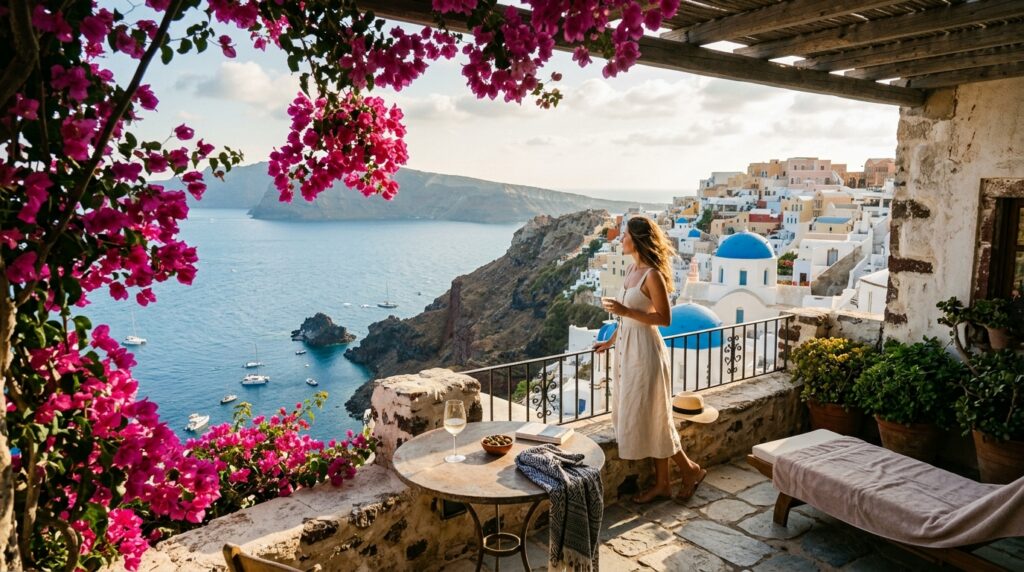
The dramatic limestone cliffs of the Amalfi coast have captivated writers, poets, and painters for centuries. Yet in an era of mass cruise tourism and congested coastal roads, experiencing its authentic soul requires a deliberate shift in perspective. To touch the true spirit of this ancient coastline, one must travel out of season—in late September or early October—turn away from the overcrowded ferry docks of Positano, and seek out the quiet hillside pathways where centuries of agrarian life continue uninterrupted.
High above the azure sea, perched between terraced lemon orchards and wild rosemary bushes, villages like Ravello, Scala, and Tramonti move to a timeless agricultural rhythm. Here, stone staircases carved by hand centuries ago wind past whitewashed monasteries, family-run ceramic studios, and terraced plots shaded by chestnut trellises. In early autumn, the morning air carries the crisp, invigorating scent of ripe Sfusato Amalfitano lemons, damp stone, and salty sea breezes drifting upward from the secluded coves below.
Slow travel along the Amalfi coast is best experienced on foot along the historic Sentiero degli Dei—the Path of the Gods. This rugged cliffside mule trail traces panoramic limestone ridges suspended five hundred meters above the glistening Mediterranean. Hiking in the gentle morning light, accompanied by the distant chime of goat bells and the rustle of olive leaves, you encounter local farmers carrying crates of freshly harvested figs and lemons. There are no tour guides with megaphones; only the profound majesty of sea, stone, and horizon.
Dining in these tranquil hillside hamlets is a joyous celebration of hyper-seasonal simplicity. In small, family-owned trattorias tucked into shaded piazzas, meals begin with warm handmade mozzarella wrapped in lemon leaves and grilled over wood embers. Next comes delicate scialatielli pasta tossed with sweet coastal datterini tomatoes, freshly picked basil, and olive oil pressed from trees growing just steps away. Chilled glasses of mineral-rich Falanghina or red Piedirosso wine served under trellised wisteria complete an afternoon of unhurried culinary bliss.
By slowing your pace and dedicating days to quiet coastal exploration, the Amalfi Coast ceases to be a postcard backdrop and becomes an intimate, restorative sensory sanctuary. Spend quiet afternoons swimming in pebble-strewn coves accessible only by wooden fisherman skiffs, converse with third-generation ceramic painters in Vietri sul Mare, and let the gentle rhythm of the Mediterranean teach you the art of dolce far niente.
Beyond the bustling ferries and packed beach clubs of the main Amalfi marinas lies an older, quieter coast accessible only to those willing to walk the historic stone mule trails. In hilltop hamlets like Pontone, Scala, and Pogerola, ancient stone stairways wind through terraced lemon groves where heavy Sfonsato Amalfitano citrus fruits hang like lanterns beneath woven chestnut pergolas. The air is intoxicatingly fresh, fragrant with wild mountain thyme, salty sea breezes, and woodsmoke from local bread ovens. Here, life retains its agrarian cadence, uninterrupted by the frantic pace of modern mass tourism.
Savoring the Amalfi coast during late autumn or early spring reveals the genuine heart of southern Italian hospitality. Independent family-run trattorias welcome travelers with genuine warmth, serving handmade scialatielli pasta tossed with fresh morning anchovies, roasted peppers, and pecorino cheese crafted from hillside goat milk. Sitting on an uncrowded stone terrace as the Mediterranean horizon turns violet at dusk, with the distant chiming of church bells drifting across the valley, one realizes that true luxury is not found in exclusive VIP beach lounges, but in the timeless stillness of historic stone, sea, and unhurried human connection.
Walking the ancient stairways of the quiet Amalfi hills teaches us that the richest travel experiences are found off the beaten tourist path. In the fragrance of wild coastal herbs and the warm smiles of village bakers, we discover the eternal charm of southern Italy’s coastal soul.
“Travel is at its most profound when we stop rushing between monuments and begin listening to the landscape.”

When we approach our everyday choices with patience and discernment, we cultivate a lifestyle that feels deeply personal, enduring, and harmonious.