In an era dominated by glossy showroom aesthetics, high-gloss polyurethane finishes, and sterile white minimalism, modern living environments often feel more like commercial photography sets than authentic sanctuaries for human habitation. The ancient Japanese aesthetic philosophy of wabi-sabi offers an inspiring antidote to this obsession with manufactured perfection. Rooted in Zen Buddhism, wabi-sabi encourages us to celebrate the ephemeral beauty of natural materials, the quiet dignity of age, and the gentle poetry of modest imperfections.
Translating wabi-sabi into domestic interior design begins with the deliberate selection of authentic, unpretentious materials. Rather than synthetic laminates or imitation composite stones, invite honest organic elements into your rooms: untreated French oak with visible knots and natural grain fissures, lime-washed plaster walls that softly diffuse sunlight, unpolished travertine pedestals, and slubby, hand-spun linen drapery. These materials carry tactile memories of the earth, weathering and softening in response to human touch, humidity, and the passing seasons.
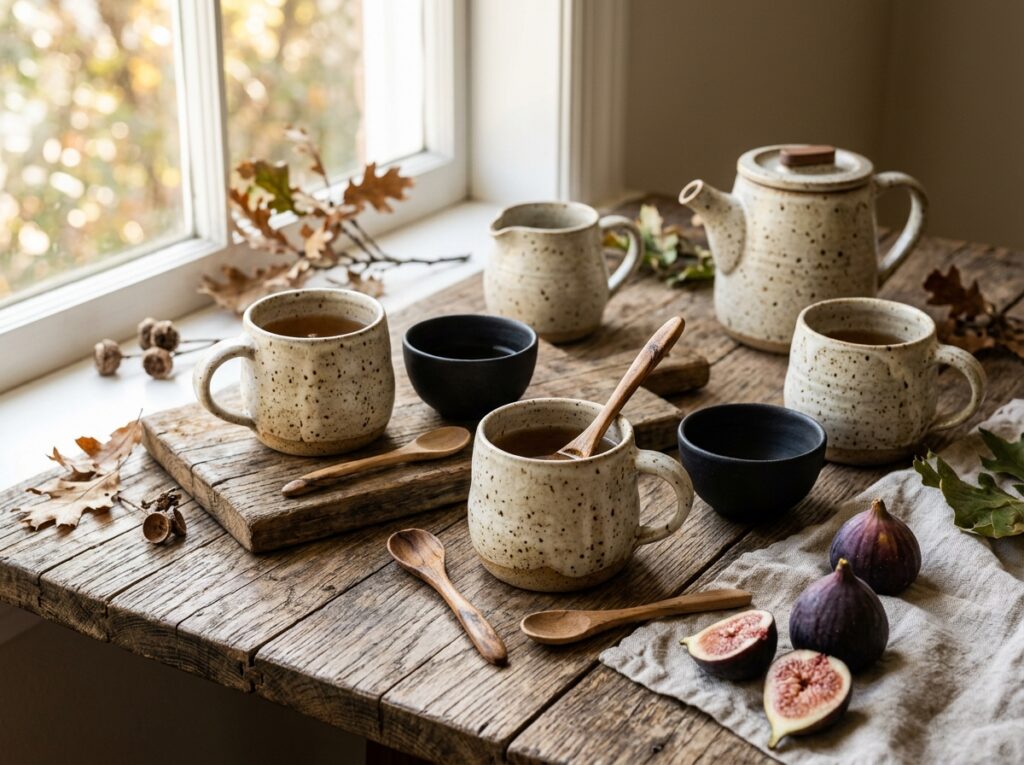
A wabi-sabi home rejects rigid symmetry and clinical clutter-free sterility in favor of organic balance and intentional empty space, known in Japanese as ma. Allow breathing room between furniture pieces so that shadows can dance freely across the floor as the sun shifts. Instead of mass-produced decorative accents, curate objects that bear the authentic hand of their maker: an asymmetrical raku ceramic bowl holding fresh autumn figs, a weathered wooden bench salvaged from a rural barn, or a single twisted persimmon branch placed in a stoneware vase.
The lighting scheme of a wabi-sabi sanctuary is subdued, warm, and atmospheric. Harsh overhead recessed spotlights are replaced with low-slung paper lanterns, brass floor lamps with linen shades, and beeswax candles placed on deep window sills. As evening approaches, lowering the illumination mirrors the circadian rhythms of nature, signaling the brain to release melatonin and inviting a state of contemplative relaxation. The play between soft amber light and deep shadow creates an intimate, enveloping refuge from the bright neon glare of modern cities.
Ultimately, embracing wabi-sabi within our living spaces is an exercise in emotional self-compassion. When our home warmly welcomes the chipped ceramic teacup, the water-stained wooden tabletop, and the creaking floorboard, it gives us permission to accept our own human flaws and vulnerabilities. We realize that beauty does not reside in pristine invulnerability, but in the graceful endurance of life, use, and continuous transformation.
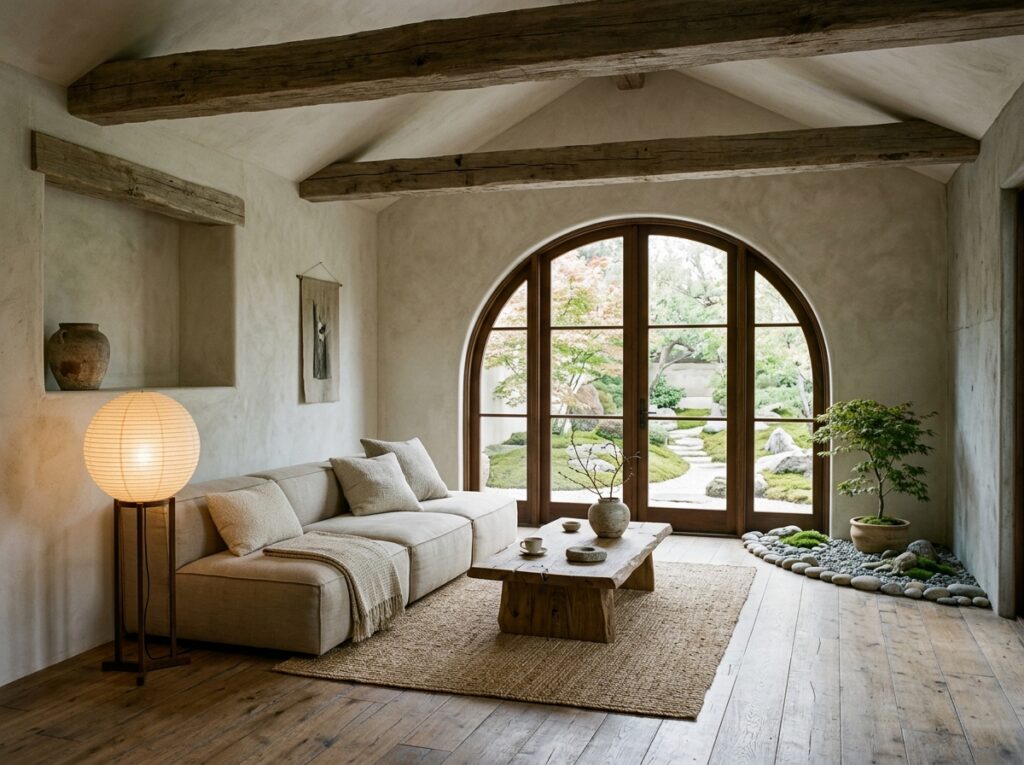
The Japanese aesthetic philosophy of wabi-sabi teaches us to perceive profound beauty in that which is imperfect, impermanent, and incomplete. In the context of the modern living room, this mindset liberates homeowners from the exhausting pressure to maintain sterile, catalogue-perfect interiors. Instead of concealing the natural grain, knots, and gentle wear of solid wooden floorboards, we celebrate them as living records of family life. An antique elm bench with a slightly weathered patina or a ceramic vase with an asymmetrical lip brings an organic warmth and contemplative soul into the room that pristine mass-manufactured furniture can never achieve.
Equally fundamental to wabi-sabi is the spatial concept of ma—the deliberate cultivation of negative space and pause. Rather than crowding every corner with decorative accents and storage bins, we leave empty breathing room around low-slung seating and linen-covered cushions. This spatial restraint allows natural daylight to cast shifting, poetic shadows across lime-washed plaster walls throughout the afternoon. By surrounding ourselves with natural materials that age gracefully—unbleached hemp drapery, raw stone catchalls, and dried botanical branches—our living room transforms into a serene sanctuary that encourages quiet contemplation, unhurried reading, and restorative presence.
Embracing wabi-sabi in our domestic spaces invites a gentle sense of relief into modern living. By honoring raw textures, honest aging, and unadorned negative space, our homes become restful sanctuaries where the soul can breathe freely amidst natural light and organic serenity.
“Perfection is cold and sterile; life breathes through the cracks, worn edges, and softened patinas of time.”
When we approach our everyday choices with patience and discernment, we cultivate a lifestyle that feels deeply personal, enduring, and harmonious.